Kennedy Space Center
2026-02-26
Cape Canaveral, FL
I couldn't resist another Space Center. I know, I've been to two of them in the past year, but this is a slightly different space center with slightly different rockets and spaceships. Ok, maybe I'm a bit of an addict. I wonder if there is a Space Museums Anonymous for help?
The Space Center, like Gaul, is divided into three parts. There's the primary set of buildings where you enter, an observation platform out amongst the launch pads, and the Saturn V building. A bus takes you around between the different areas.
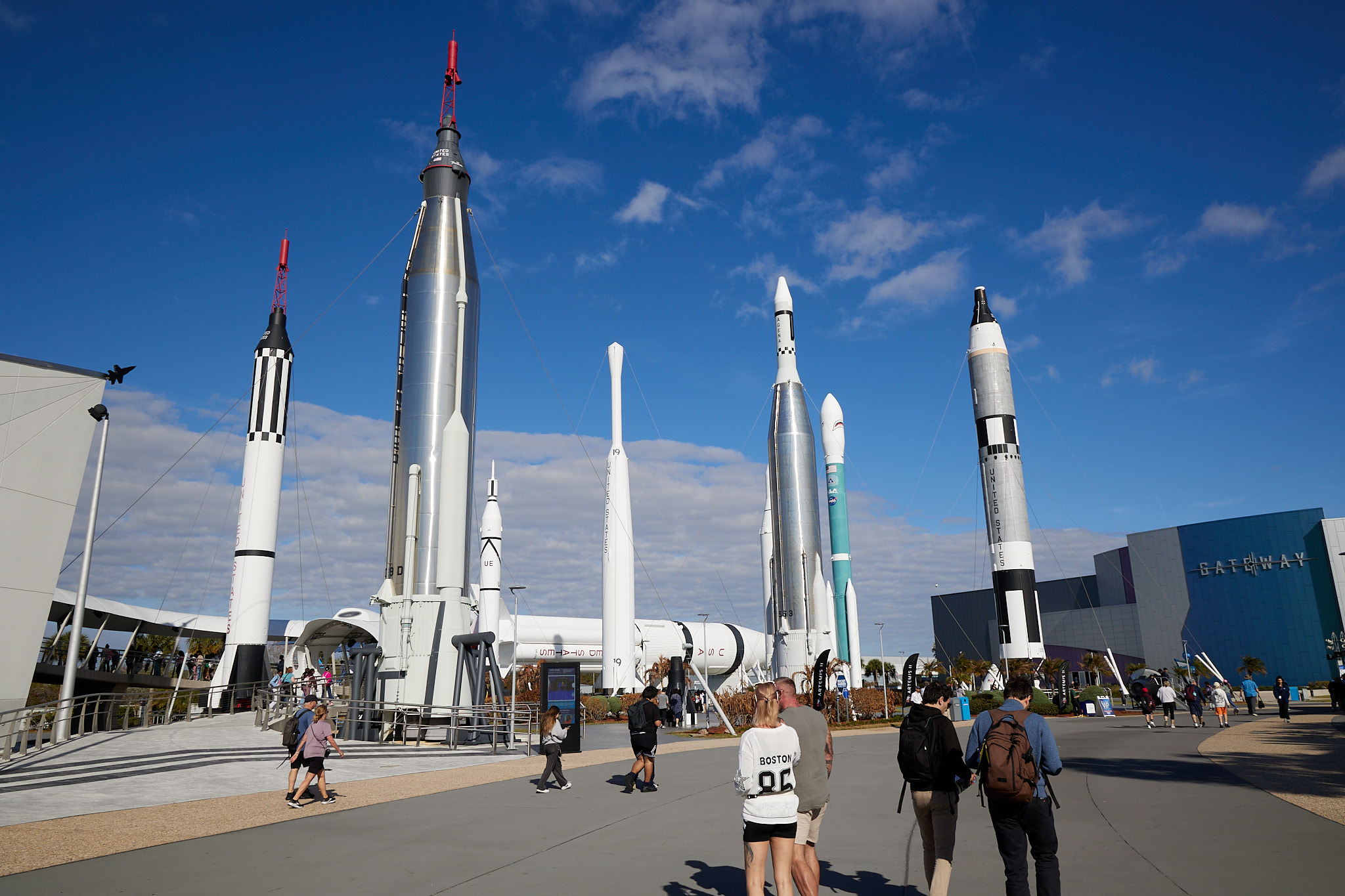
As I walked in, I completely missed the big pile of maps because I entered staring straight into Rocket Park. They have a pretty amazing collection of rockets, and all but one are original unfired models. The last one is a mock-up; I guess they fired all of that one. If you're wondering, it's the one in the foreground with the big black supports drilled through it. The aren't allowed to drill though any of the others as they are Smithsonian Artifacts. Luckily they were able to add connectors for guy wires or Rocket Park would look more like a pile of pick-up sticks.
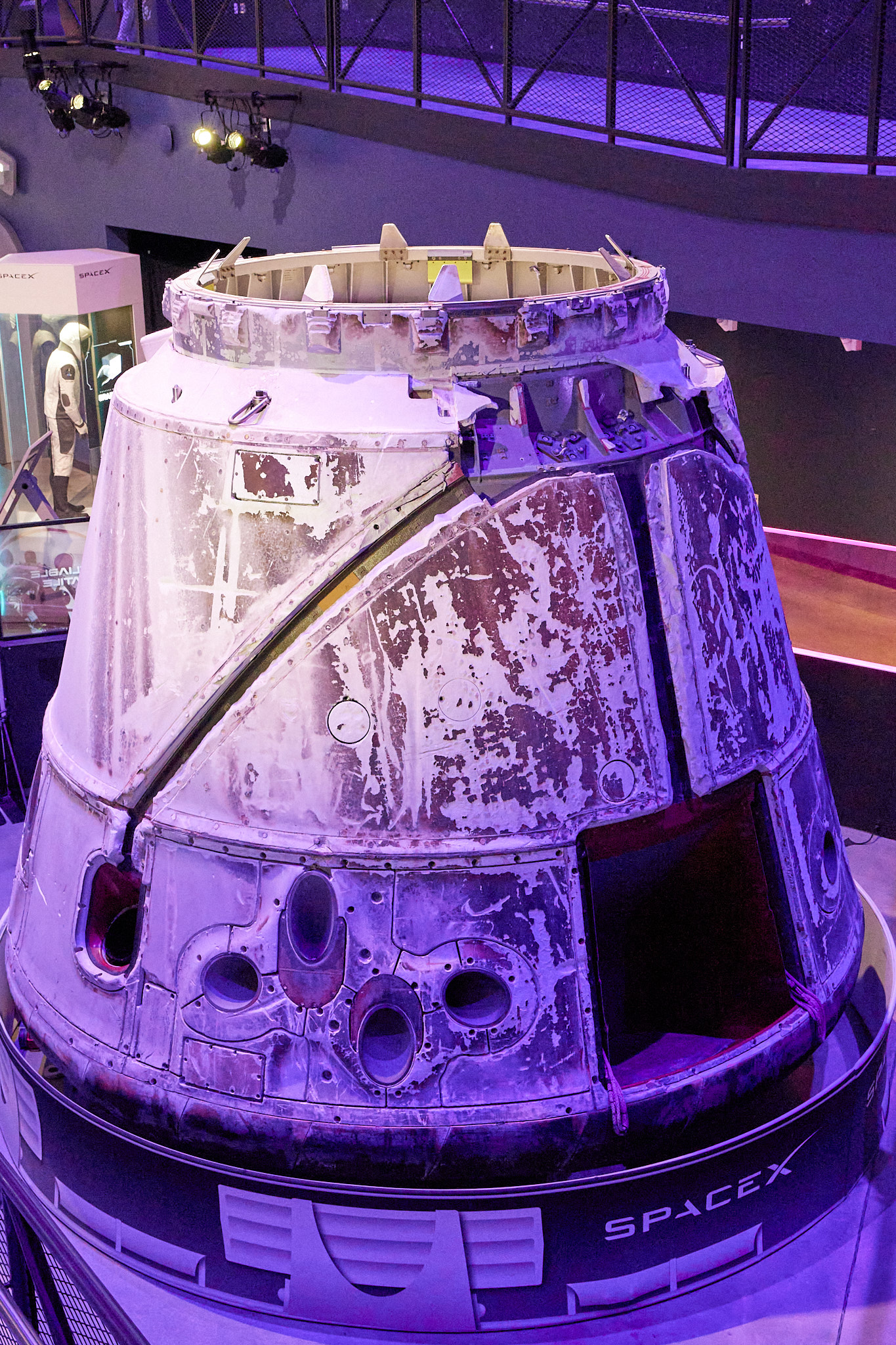
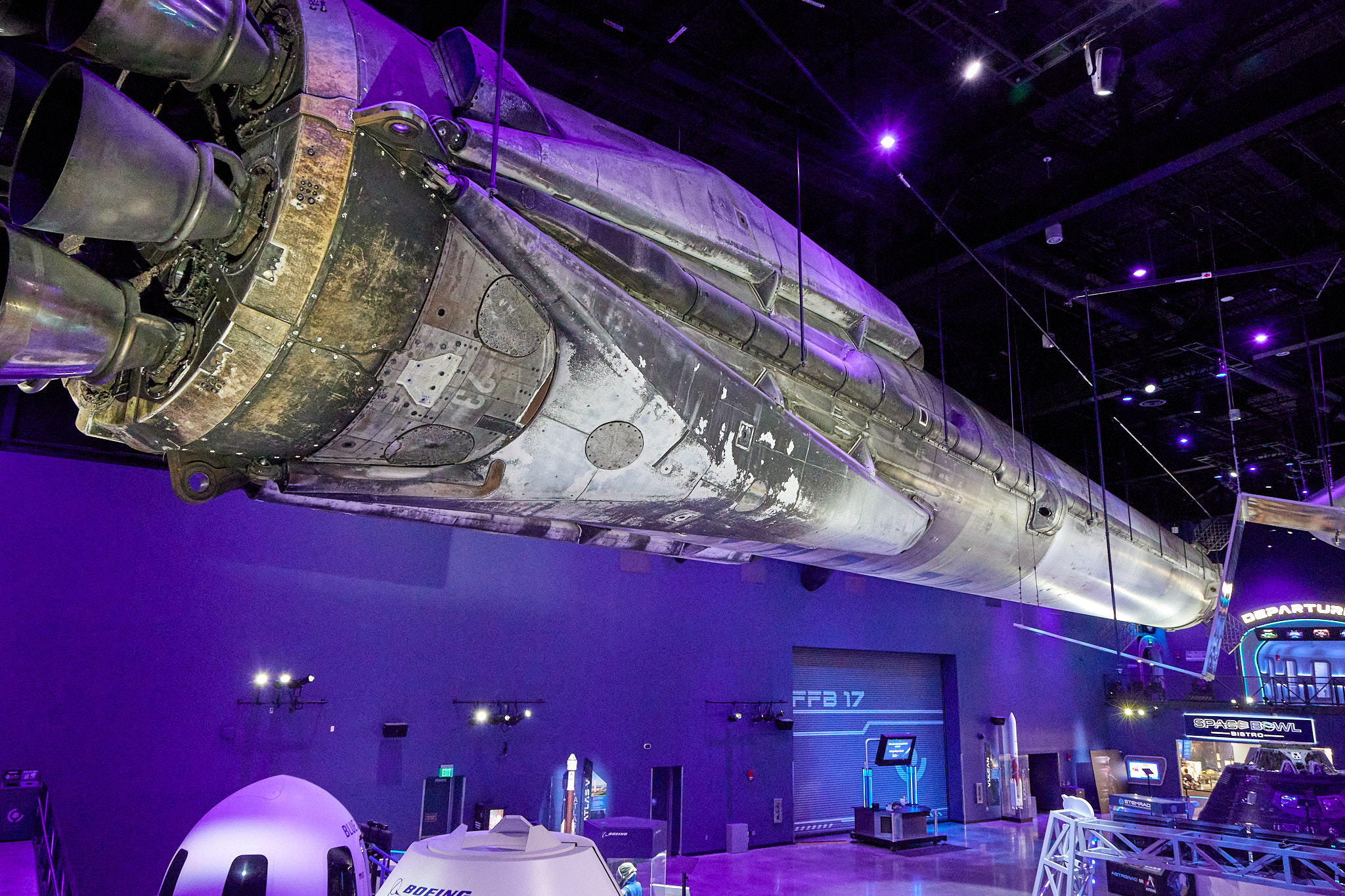
The next building I wandered into included most of the modern launch vehicles. Probably the most fascinating were the SpaceX vehicles that are currently the most used. They had a Dragon capsule that had been in space and back. The Falcon 9 rocket that had flown twice before ending up retiring here like a thoroughbred after placing in the Kentucky Derby (although stud fees may be lower). There was also an Orion Capsule used in a flight test, and a model Starliner capsule as well as other amazing pieces of the current space program. They also had some of those stationary rollercoaster rides that I was too busy gawking at real rockets to visit.
There were a few halls dedicated to the early space program, including the pre-Apollo capsules, artifacts from the astronaut's lives, and so forth. Better coverage that the other two space centers about the guys that were essentially strapped to a missile.
There's a whole building based around the Space Shuttle Atlantis. It flew 33 missions in 26 years and quickly became the high point of a very good day. I spent quite a while just staring at the shuttle and pondering it. The technological leap it represents and the amazing engineering are awe-inspiring. The science it enabled via the ISS and Hubble is just amazing. But I also considered the costs to keep it flying that became a struggle as it got older.
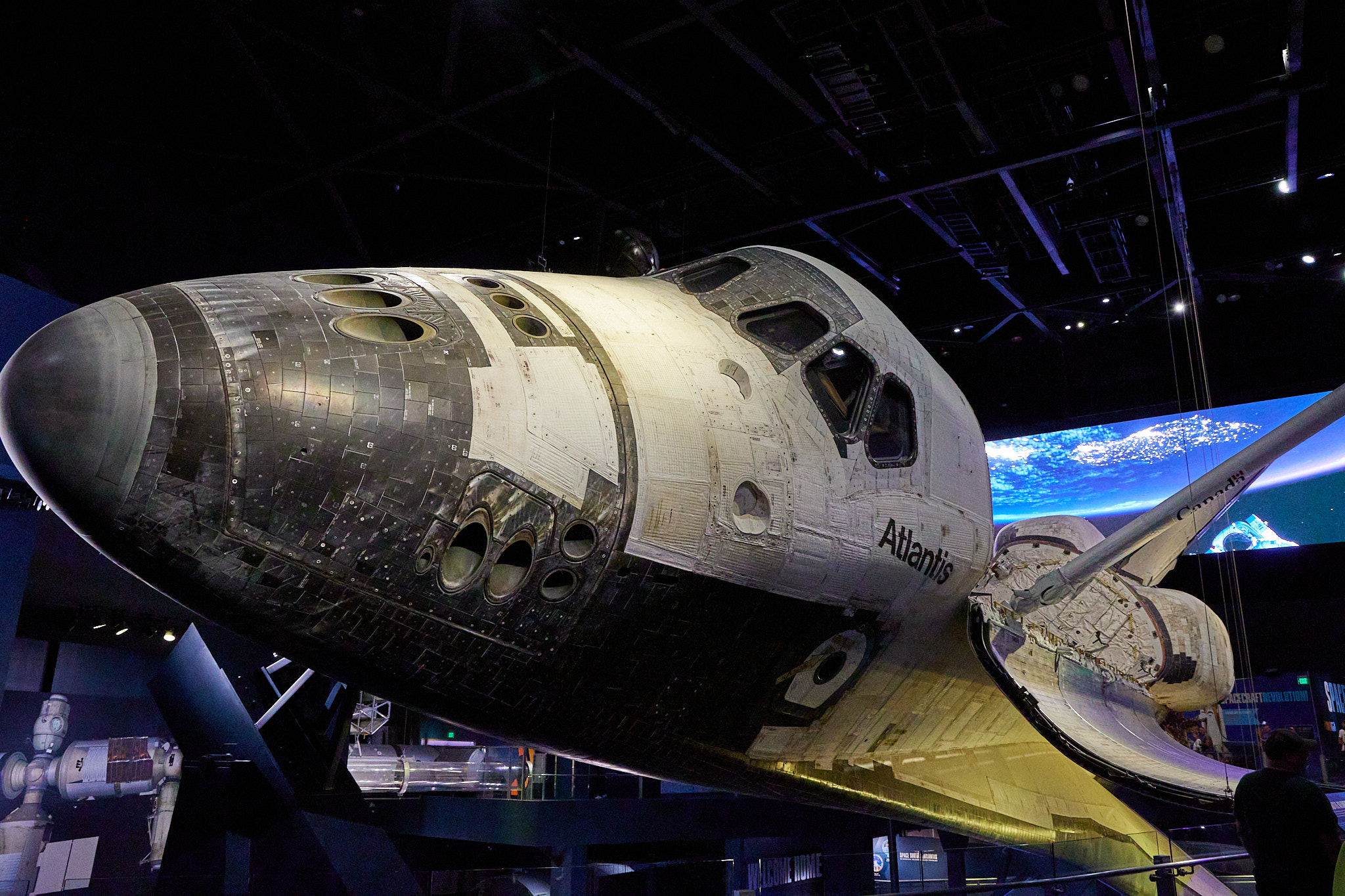
The exhibit followed what seems to be a pattern here and at other museums; you must watch a movie to get in to see the artifacts. Despite my impatience, I could see the value. I think there are a lot of people that need the context, especially for things as technically complex as spaceships and rocket science. And letting people into the exhibit in waves means that if you wait for the "trough", you can take pictures with fewer people. Don't forget to take the slide on the way down!
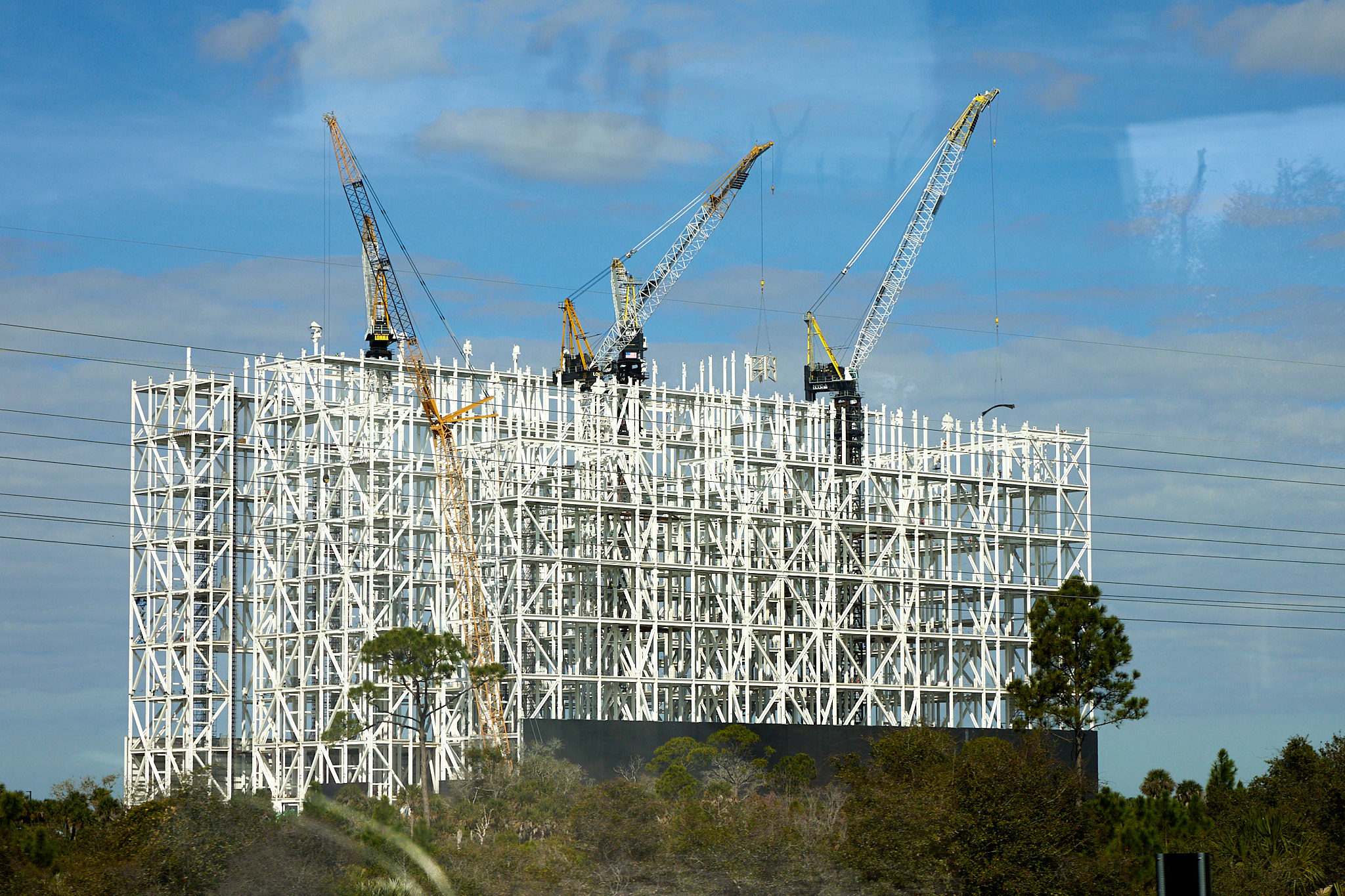
I jumped on the bus to the next area. Along the route you can see where SpaceX is constructing their new "Gigabay" integration and processing facility where they can assemble Starships so as not to solely rely on their Texas facility.
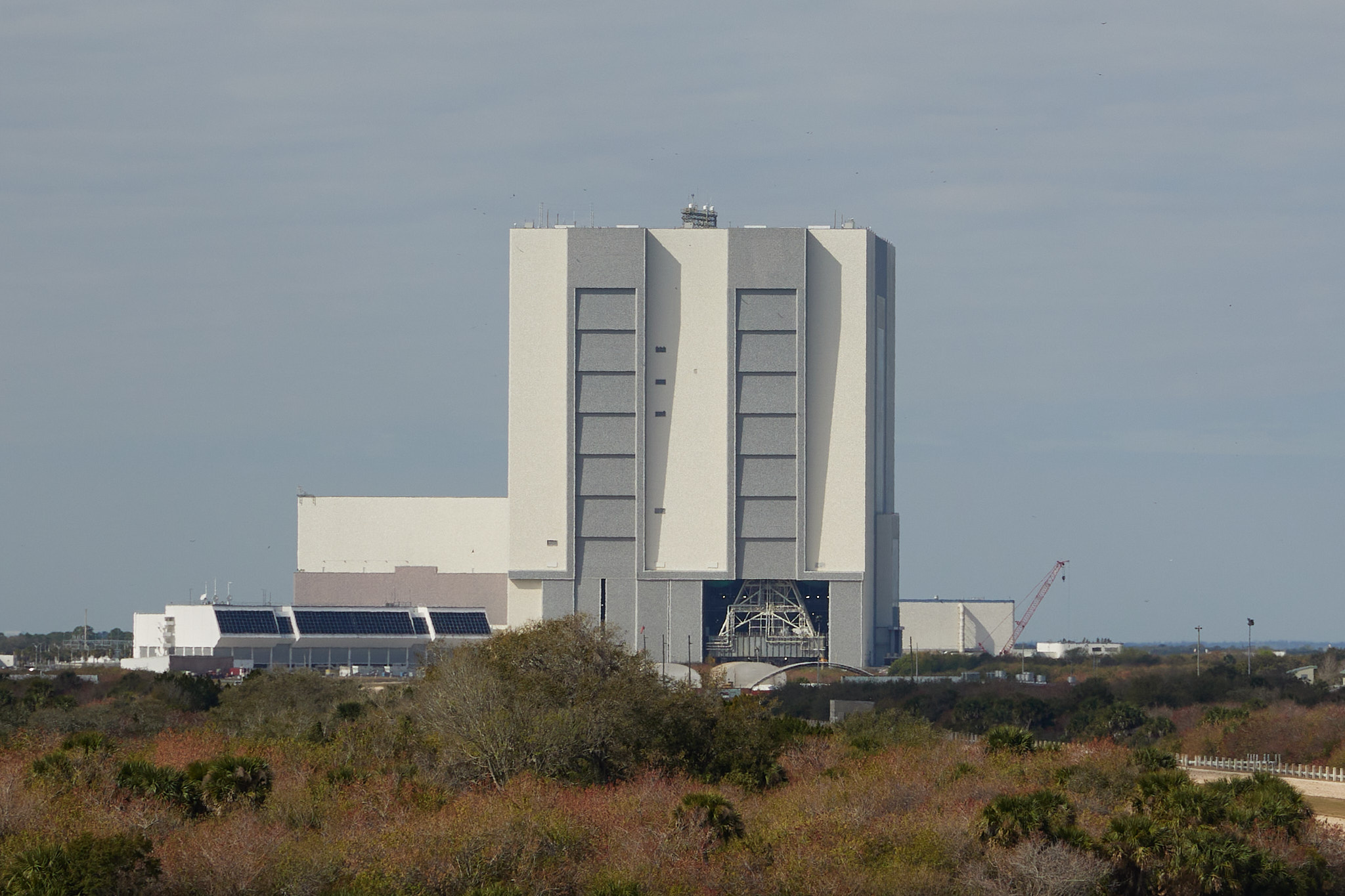
The first stop is primarily a four-story observation platform where you can see the Vehicle Assembly Building and several of the launch pads. I was lucky enough to see a SpaceX rocket launch the previous day from Satellite Beach (despite not knowing it was happening). This emptied a pad of course, so none of the SpaceX pads had any rockets. And the Artemis II mission had rolled back to the VAB the previous day. (Spoiler Alert: it launched a month later.) That probably meant a smaller crowd today than yesterday, but it would have been cool to see it rolling along. At this point, the only thing stirring was an osprey and his buddy the alligator gar who were I'm sure just out for a sightseeing trip.

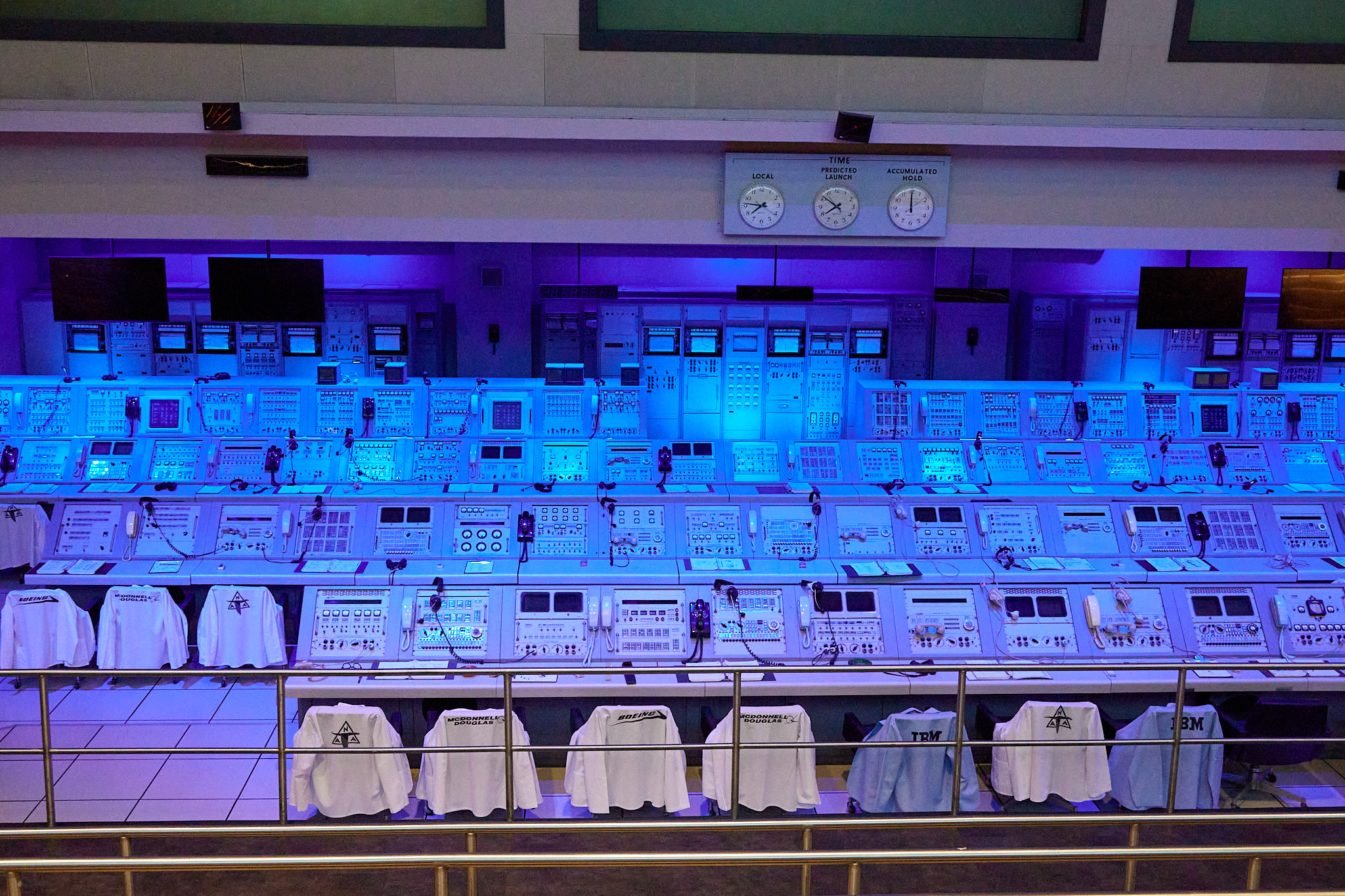
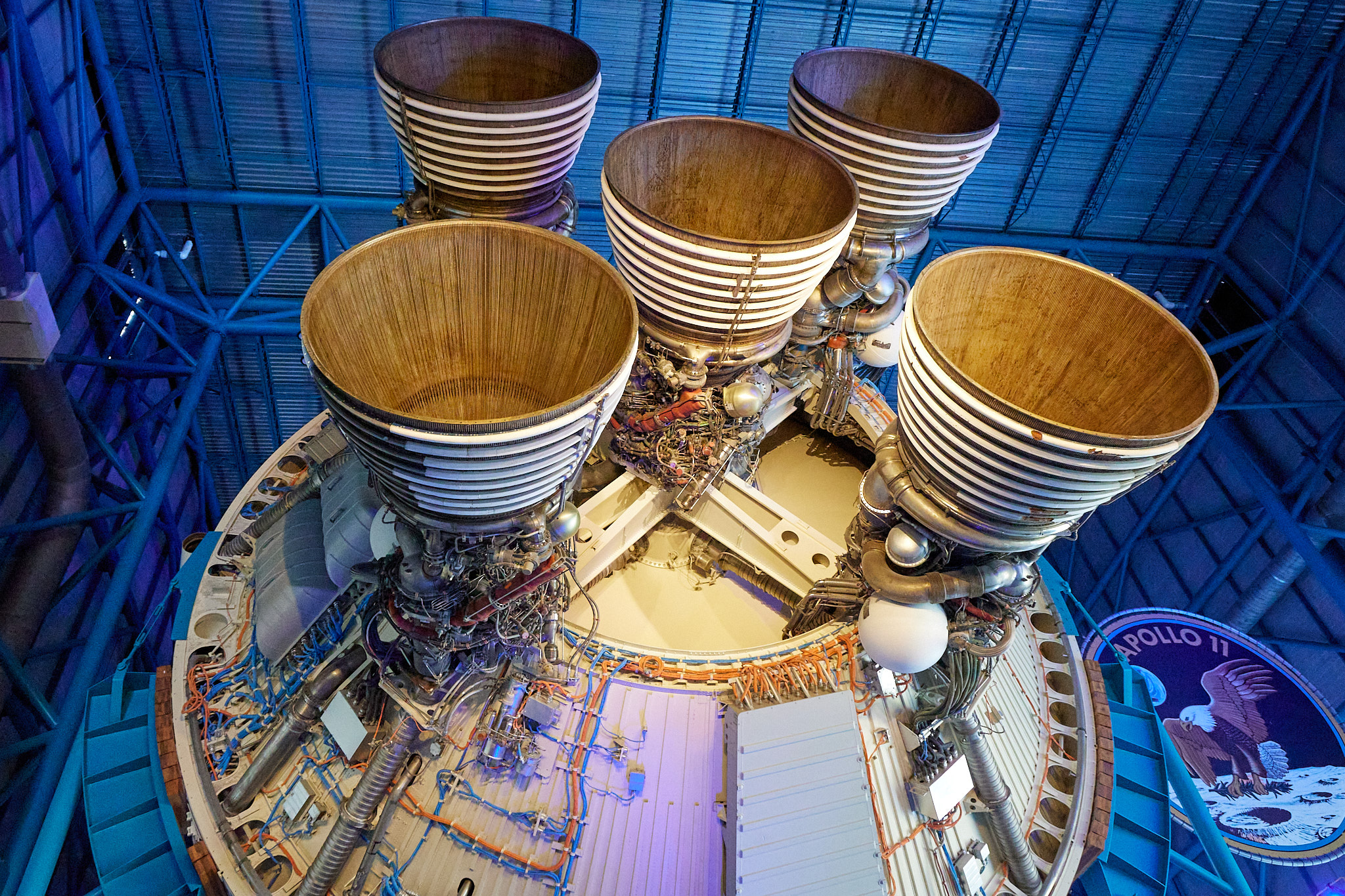
Jumping back on the bus, the next stop is the Apollo/Saturn V Center. Frequent readers of my travels know that there are three relatively complete Saturn V rockets remaining, in Houston, Huntsville, and Cape Canaveral. All three have huge buildings to house them, but only in Huntsville is it within walking distance of the main entrance. Frequent readers will also know that it's time for a few big rocket pictures. No matter how many times I see it, it's still impressive.
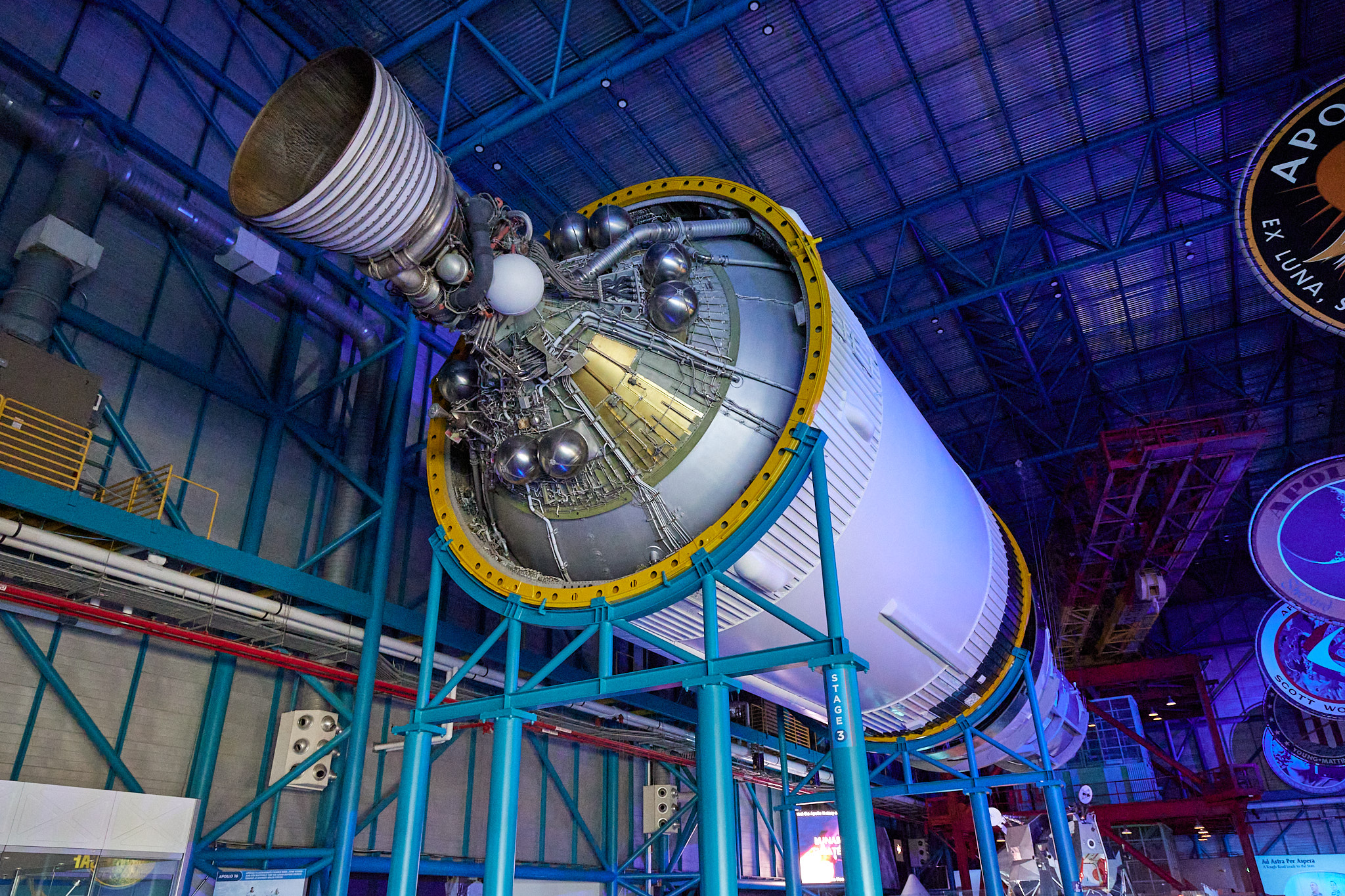
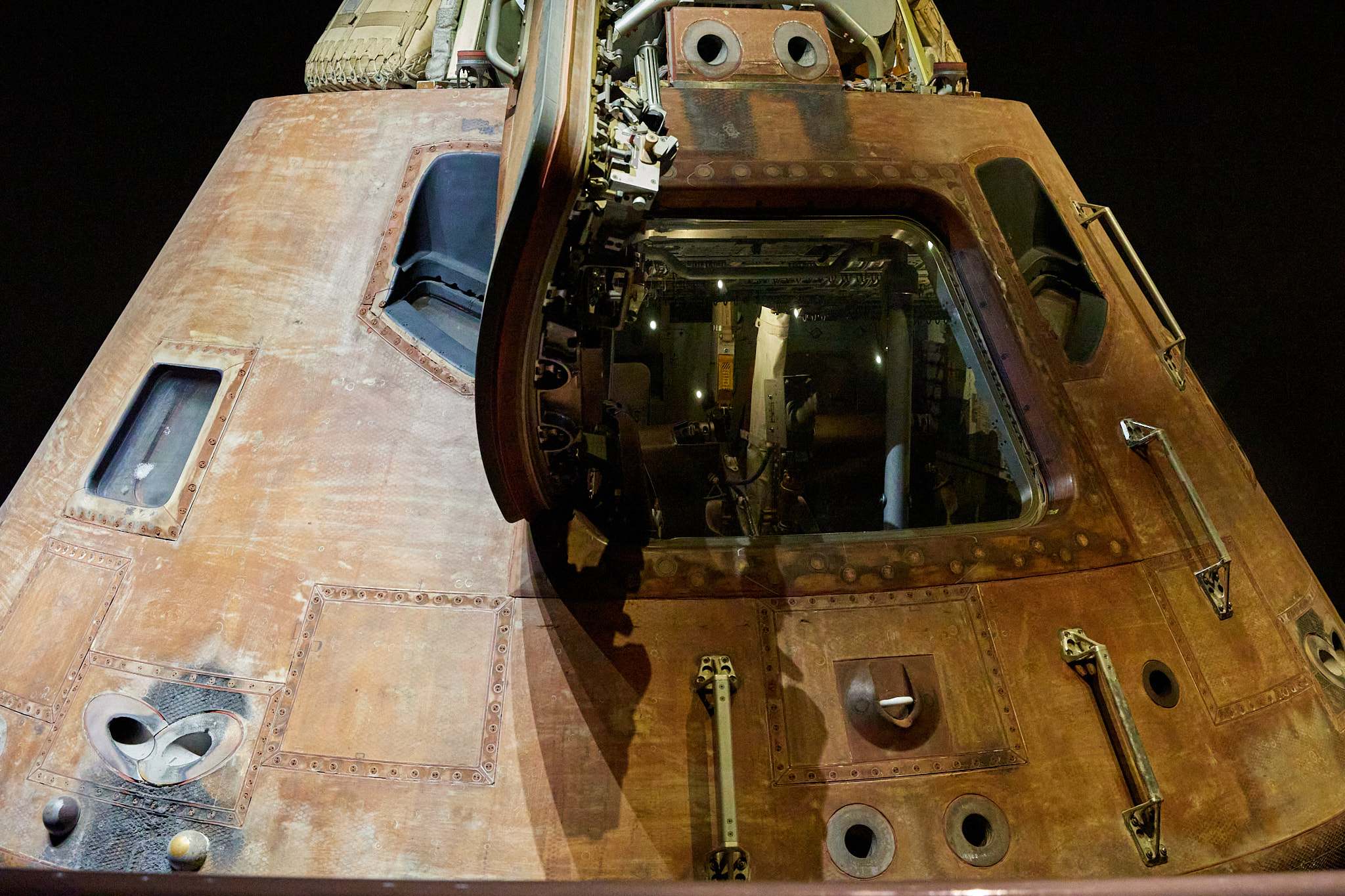
The also had an interesting exhibit on space suits, as well as the obligatory lunar lander module and moon buggy.